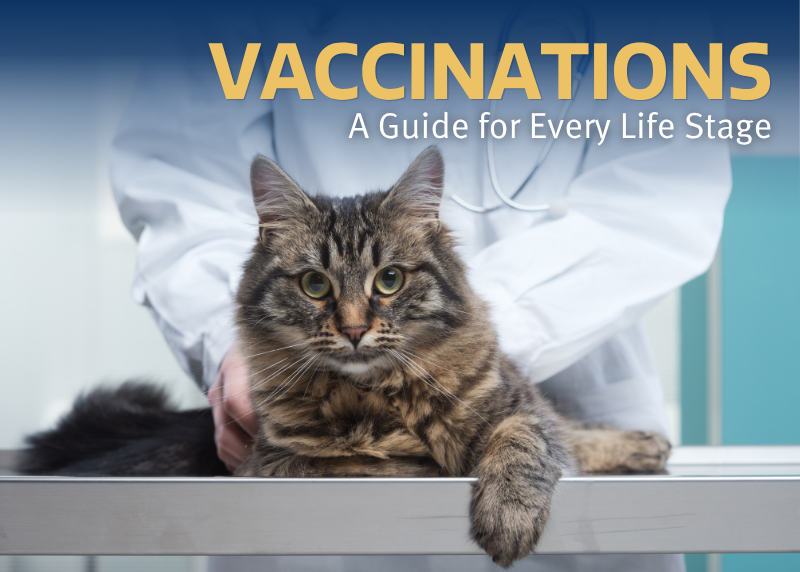
Keeping Your Pet’s Vaccinations on Schedule: A Guide for Every Life Stage
Vaccinations are an important part of preventive care for dogs and cats. By keeping your pet’s vaccinations current, you can help protect them against preventable illnesses, including diseases that may cause serious health complications. Staying on schedule can also help reduce the spread of contagious diseases among animals in the Houston, TX community.
In this post, we will explore various details about pet vaccinations, as there is not one vaccination schedule that applies to every pet. The vaccines your dog or cat needs and when they should receive them can depend on their species, age, health history, lifestyle, previous vaccinations, and potential exposure to other animals. Keeping a written or digital vaccination record can make it easier to know what your pet has already received and when another dose or booster may be due.
Puppy and Kitten Vaccinations
Puppies and kittens typically need a series of vaccinations during their first months of life rather than receiving all of their protection during one appointment. These early visits allow vaccines to be administered according to an appropriate schedule as a young pet’s immune system develops. Your veterinarian can recommend when to begin based on your puppy or kitten’s age and medical history.
Core vaccinations commonly include rabies along with species-specific combination vaccines. For dogs, combination vaccines can protect against diseases such as distemper and parvovirus, while cats commonly receive a combination vaccine such as FVRCP. Initial vaccinations may also require additional doses or boosters at specific intervals. These follow-up doses are an important part of building reliable protection, which is why pet owners should keep track of the date of each appointment and follow the schedule recommended by their veterinarian.
Adult Pet Vaccinations
Once your dog or cat reaches adulthood, vaccinations remain part of their ongoing preventive care. Annual wellness visits provide an opportunity for a veterinarian to review your pet’s vaccination history, overall health, and potential exposure risks. Some vaccines may require routine boosters, while others may be recommended according to your pet’s circumstances. Lifestyle can play a significant role in determining which vaccinations are appropriate. Your veterinarian may ask whether your pet:
- Attends boarding facilities or dog daycare
- Regularly visits grooming facilities
- Travels with you
- Spends significant time outdoors
- Visits dog parks or other areas with multiple animals
- Regularly interacts with unfamiliar dogs or cats
Be sure to tell your veterinarian about changes in your pet’s routine. A dog that begins attending daycare or a previously indoor cat that starts spending time outside, for example, may have different exposure risks than before.
Senior Pet Vaccinations
Reaching your pet’s senior years does not mean preventive veterinary care becomes less important. Older dogs and cats can experience changes in their overall health, activity level, and immune function, making routine veterinary monitoring still an important part of their care. Vaccination decisions for senior pets should be made individually with a veterinarian. Your pet’s provider can review previous vaccination records, existing chronic conditions, medication use, past vaccine reactions, and current lifestyle when making recommendations. If your older pet spends less time around other animals than they did when they were younger, their lifestyle risks may also have changed. Discuss their current needs during routine examinations, allowing preventive care to be adjusted as your pet ages.
What Should You Do When Your Pet Is Behind Schedule?
It is easy for a vaccination appointment to be missed, especially after a move, change in veterinarian, busy period, or other interruption in your normal routine. If your pet is overdue, contact a veterinary professional rather than attempting to determine on your own whether the entire vaccination series needs to be restarted. Bring any previous vaccination records you have to the appointment. Knowing which vaccines your pet received and when they were administered can help the veterinary team determine the appropriate next steps. Recently adopted pets and animals with unknown or incomplete medical histories may require additional planning. A veterinarian can evaluate the information that is available and develop an individualized catch-up schedule based on the animal’s age, health, and likely vaccination history.
Other Important Preventive Care for Your Pet
Vaccinations are only one component of preventive pet care. Regular veterinary visits can provide opportunities to discuss other measures that may help support your dog or cat throughout different stages of life. Depending on your pet, preventive services may include:
- Microchipping - A registered microchip provides a permanent form of identification that can help reunite you with your pet if they become lost.
- Parasite Testing and Prevention - Heartworms, intestinal parasites, fleas, and ticks can create health concerns for dogs and cats. Testing and preventive products may be recommended based on your pet’s needs.
- Spay and Neuter Services - Spaying or neutering can prevent unwanted litters and may provide additional health or behavioral benefits.
- Dental Care Services - Regular dental care can help prevent painful dental disease, support overall wellness, and ensure your pet can enjoy a better quality of life for years to come.
- Routine Examinations - Wellness exams give a veterinarian an opportunity to evaluate your pet’s general condition and discuss changes in behavior, appetite, activity, or health.
Houston Humane Society Veterinary Clinic provides vaccinations alongside wellness exams, microchipping, parasite-related services, and spay/neuter care for Houston-area pets. Keep in mind that vaccinations do not replace regular wellness examinations, and they are not a substitute for veterinary treatment when your pet is sick or injured. Contact a veterinarian if you notice concerning symptoms or changes in your pet’s health.
Building a Vaccination Routine
Keeping your pet on schedule becomes easier when vaccinations are incorporated into your regular pet-care routine. A few simple organizational habits can help prevent important appointments from being overlooked:
- Set Calendar Reminders - When your pet receives a vaccination, add the next recommended booster date to your phone or calendar.
- Keep Records Accessible - Store paper records in one location or keep digital copies that you can quickly access when needed.
- Discuss Each Vaccine with Your Veterinarian - Ask which vaccines are required, routinely recommended, or based primarily on your pet’s lifestyle and exposure risks.
- Plan Ahead for Activities - If your pet will be boarding, traveling, attending daycare, visiting a groomer, or participating in another activity that has vaccination requirements, schedule veterinary appointments early enough to meet those requirements.
It can also help to review your pet’s vaccination records at least once a year, even if you do not believe anything is currently due.
Houston Humane Society Veterinary Services
Houston Humane Society provides affordable veterinary services for dogs and cats throughout the Houston area. Our Veterinary Clinic offers pet vaccinations, wellness exams, microchipping, spay/neuter procedures, parasite prevention, and other services. With our new standalone veterinary clinic at 3100 W. Fuqua Street, we have expanded our ability to provide veterinary care to animals throughout the Greater Houston area. Using our clinic also supports our organization’s broader animal-welfare mission. Proceeds from the Veterinary Clinic benefit homeless and needy animals cared for through Houston Humane Society programs.
Keep Your Pet’s Vaccinations Up to Date
Staying current with vaccinations can help protect your dog or cat throughout every stage of life while also helping reduce the spread of preventable diseases within the broader animal community. From a puppy or kitten’s first vaccine series to boosters for adult and senior pets, maintaining accurate records and discussing your pet’s individual needs with a veterinarian can make preventive care easier to manage. If it has been a while since you reviewed your pet’s records, now is a good time to check which vaccinations may be coming due. Houston-area pet owners can contact us to learn more about available dog and cat vaccinations, preventive veterinary services, and appointment options!