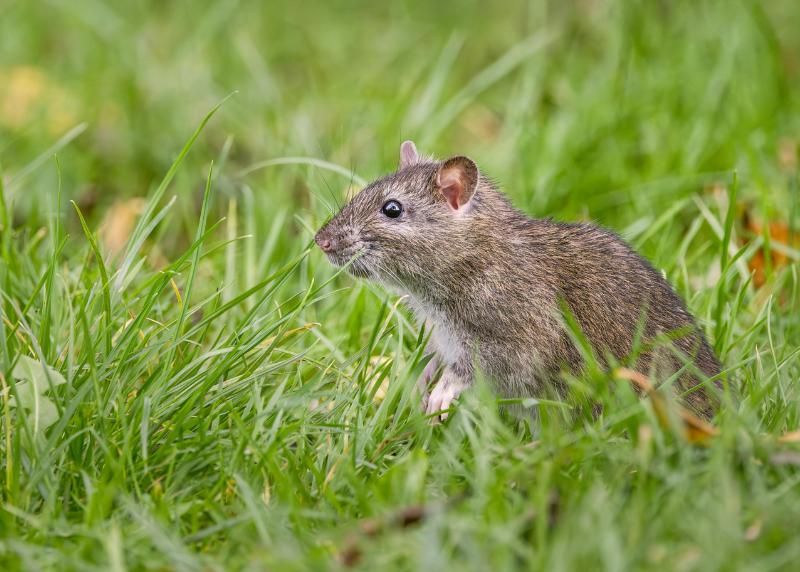
Rat Poison in the Food Chain: The Hidden Fallout
The poison doesn’t stop with the rat
If 100% of your ‘pest control’ is poison, then 100% of your local predators just got dosed, too.
Barn owls, hawks, coyotes, foxes, and snakes are already doing free pest control, quietly and efficiently every single night.
A barn owl family can take down hundreds to thousands of rodents in a year, depending on the season and prey availability.
So when we put poison into the rodent food chain, we aren’t just “controlling pests.” We’re dosing the predators that keep rodent populations in check.
What “bioaccumulation” really looks like
Rodenticide is designed to be eaten. The problem is, poisoned rodents don’t vanish, they get caught.
A rat that stumbles into the open becomes an easy meal. That meal becomes a dose. And those doses can stack up over time in the bodies of predators and scavengers, especially with the most persistent products.
This is how rodenticide turns into predatoricide.
First-generation anticoagulants (FGARs)
Examples often include warfarin, chlorophacinone, diphacinone. These generally require multiple feedings and tend to be less persistent than second-generation compounds.
Second-generation anticoagulants (SGARs)
Common SGARs include brodifacoum, bromadiolone, difenacoum, difethialone; they're more potent and tend to remain in tissues longer, increasing the risk of secondary poisoning.
Anticoagulant rodenticides disrupt the body’s ability to recycle vitamin K, which is necessary to make key clotting factors.
The scary part is the delay: animals can look “fine” at first, because clotting factors have to be used up before signs appear. Clinical signs often show up 3–7 days after ingestion.
Common clinical signs (in pets and wildlife)
- Unexplained bruising or bleeding
- Weakness, lethargy
- Pale gums/mucous membranes (anemia)
- Coughing, breathing difficulty (bleeding into the chest)
- Swollen joints/lameness (bleeding into joint spaces)
- Neurologic signs (bleeding around the brain)
- Collapse and death
Wildlife medicine keeps showing the same pattern: exposure is widespread, and it’s rarely “just one bait incident.”
Tufts Wildlife Clinic research has reported extremely high exposure rates in admitted raptors, one writeup notes a study finding 100% of tested red-tailed hawks were positive for anticoagulant rodenticides.
A New England Audubon/Science-style summary reports that 77% of 65 dead raptors found mostly in/around NYC parks (2018–2023) had detectable levels of rodenticides in their bodies, which can remain in tissue for up to a year.
Even when exposure isn’t immediately fatal, it can mean shorter lifespans, reduced hunting ability, greater vulnerability to other stressors, and prolonged recovery.
It doesn’t just target rats
Rodenticide moves through ecosystems in ways most people never picture.
A field study found anticoagulant rodenticides in non-target invertebrates like slugs, brodifacoum showed up in over 90% of slugs analyzed after bait applications. That matters because many animals (birds, amphibians, reptiles) also eat those invertebrates.
What to do instead:
If you care about wildlife and want rodents gone, the most effective approach is Integrated Pest Management (IPM):
1) Remove the buffet
- Secure trash, compost, and animal feed.
- Clean up fallen fruit and spilled bird seed.
- Store hay/feed in sealed bins (metal/plastic with tight lids).
2) Close the entry points
- Seal gaps (¼ inch is enough for mice)
- Door sweeps + hardware cloth on vents
- Fix crawlspace and shed access points
3) Trap smart
- Use snap traps/electric traps in tamper-resistant stations where appropriate.
- Monitor daily, remove carcasses promptly.
4) Support natural predators (the safe way)
- Protect raptors and snakes
- Consider owl boxes only when habitat is appropriate and you’re not creating an “owl bait station” by poisoning prey.
Rodenticide feels like a quick fix, but it often becomes a slow, invisible crisis for the very animals that keep rodent populations in balance.
If we want fewer rats long-term, we need more healthy predators, not a poisoned food chain.
If you see a wild animal in distress, please use ahnow.org to find a licensed rehabilitator in your area.
If you suspect a pet has ingested rodenticide in any capacity, seek emergency veterinary care immediately!