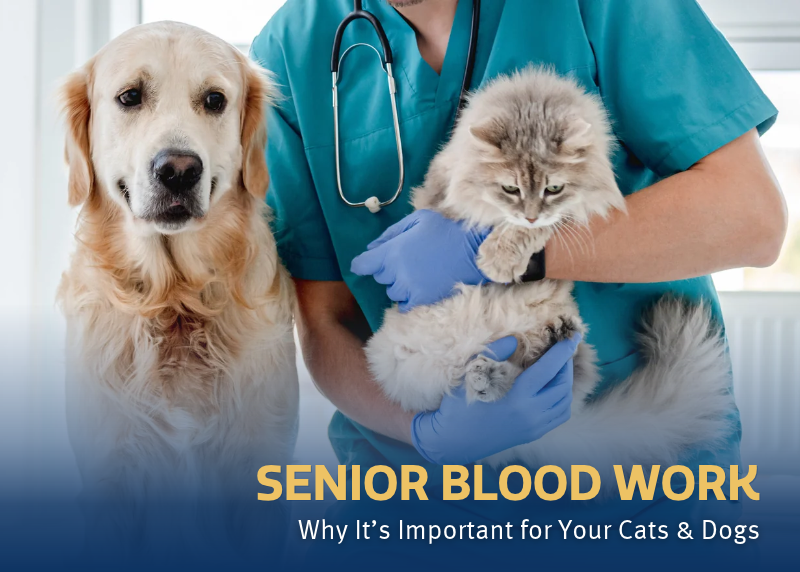
Why Senior Blood Work Is Important for Your Cats & Dogs
As cats and dogs grow older, their healthcare needs can change significantly. Senior pets may be more likely to develop age-related conditions that are not immediately obvious from outward signs alone. Routine veterinary examinations are an important part of monitoring an older pet's health, and blood work can provide valuable information that may not be detectable through a physical examination alone.
What Can Senior Blood Work Detect?
Blood tests can provide insight into several aspects of a pet's overall health. Depending on the tests performed, a veterinarian may evaluate organ function, blood cell counts, blood sugar levels, and other important indicators. These results can help identify potential concerns involving the kidneys, liver, immune system, or other body systems.
Senior blood work may also uncover abnormalities before a pet develops noticeable symptoms. Cats and dogs can be particularly good at hiding signs of illness, so laboratory testing can provide an additional layer of information when assessing an older animal's health.
Why Early Detection Matters
Finding a health concern early may give your veterinarian more opportunities to address it. When abnormalities are identified through routine screening, additional testing or monitoring may be recommended to determine what is causing the change. In some cases, early intervention can help manage a condition before it becomes more advanced.
Blood Work Can Help Guide Veterinary Care
Blood work is not only useful for identifying potential health concerns; it can also help veterinarians make informed decisions about a pet's ongoing care. If a senior dog or cat is taking medication, laboratory testing may be recommended to monitor how the body is responding and to check for potential complications.
Blood tests may also be helpful before certain procedures or treatments. Understanding a senior pet's current health status can give the veterinary team additional information when determining whether a particular treatment or procedure is appropriate.
Signs Your Senior Pet May Need Veterinary Attention
Routine blood work is valuable even when a senior pet appears healthy, but owners should also be attentive to changes in behavior or physical condition. Some signs that may warrant a veterinary examination include:
- Changes in appetite or water consumption
- Unexplained weight loss or weight gain
- Increased urination
- Vomiting or diarrhea
- Changes in energy or activity levels
- Difficulty moving or exercising
- Changes in behavior or interaction
- Poor coat or skin condition
- Persistent coughing or breathing changes
How Often Should Senior Pets Have Blood Work?
There is no single testing schedule that is right for every senior cat or dog. The recommended frequency can depend on factors such as age, species, breed, medical history, medications, and overall health. Your veterinarian can recommend a screening schedule based on your pet's individual needs. Routine blood work should be viewed as part of a broader preventive healthcare plan that may include physical examinations, dental care, vaccinations, nutrition guidance, and other age-appropriate services.
Support Your Pets With the Help of Our Local Animal Clinic
Senior cats and dogs deserve careful attention as their health needs evolve. Thankfully, the certified team at the Houston Humane Society Veterinary Clinic is standing by to provide support. Our walk-in animal clinic offers a full suite of veterinary services to local pets, including senior bloodwork (appointment required) and much more. All you have to do is contact one of our friendly staff members to get started!